
History & Myth
The Kotinos: The Olympic Crown Made of Wild Olive
The only prize at the ancient Olympics was a wreath of leaves — and that was the point.
Havarian Gold · 9 September 2026
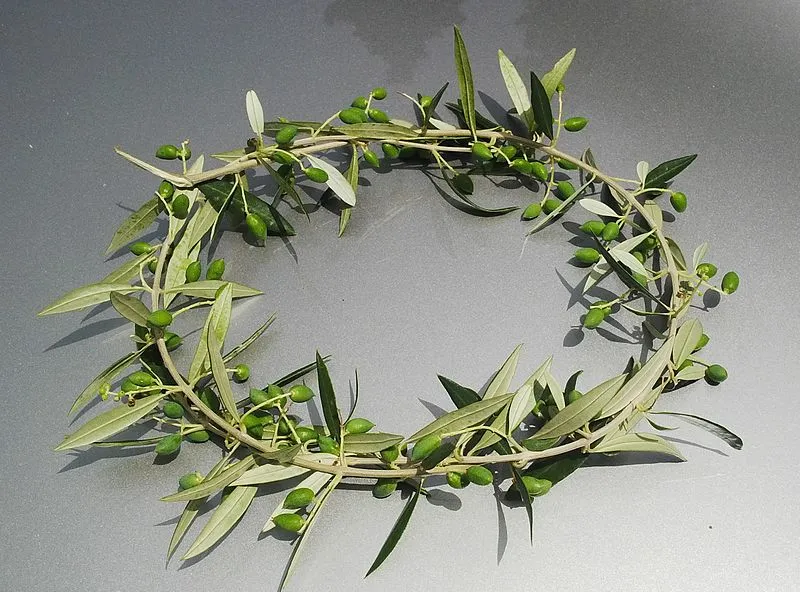
At the ancient Olympic Games, winners received no gold and no money at the stadium. The only prize was the kotinos: a crown cut from one specific wild-olive tree that grew behind the temple of Zeus at Olympia, the kallistephanos or "beautiful crown" tree. The branches were cut with a golden sickle by a boy whose mother and father were both still living.
What a champion actually took home
The wreath was the sacred prize, but victory paid in other ways once the athlete got home. Cities gave Olympic winners front-row seats at festivals, meals at public expense for life, cash bonuses, and sometimes a statue at Olympia. Athens, by one ancient report, paid 500 drachmae. At the Panathenaic Games in Athens the prize was more tangible still: large decorated amphorae filled with sacred olive oil pressed from the city's own trees — dozens of jars for a single event, a small fortune in oil.
The sacred tree
Pausanias, writing his guide to Greece in the 2nd century AD, says the wild olive at Olympia was planted by Herakles himself, brought from the land of the Hyperboreans at the source of the Danube. Whatever its origin, it was treated as untouchable. Only the kallistephanos could crown a victor, and only leaves from it — not from any ordinary olive — would do.
Oil and the athlete
Olive oil ran through the whole system of Greek sport. Before training and competition athletes coated their bodies with it, mixed with fine dust; afterwards they scraped the mixture off with a curved bronze tool called a strigil. The oil protected the skin from sun and grit and made the body easier to grip or slip in wrestling. The building where athletes trained and oiled up, the gymnasion, took its name from doing all of this naked. We tell that side of our own story in our philosophy.
Why a leaf beat gold
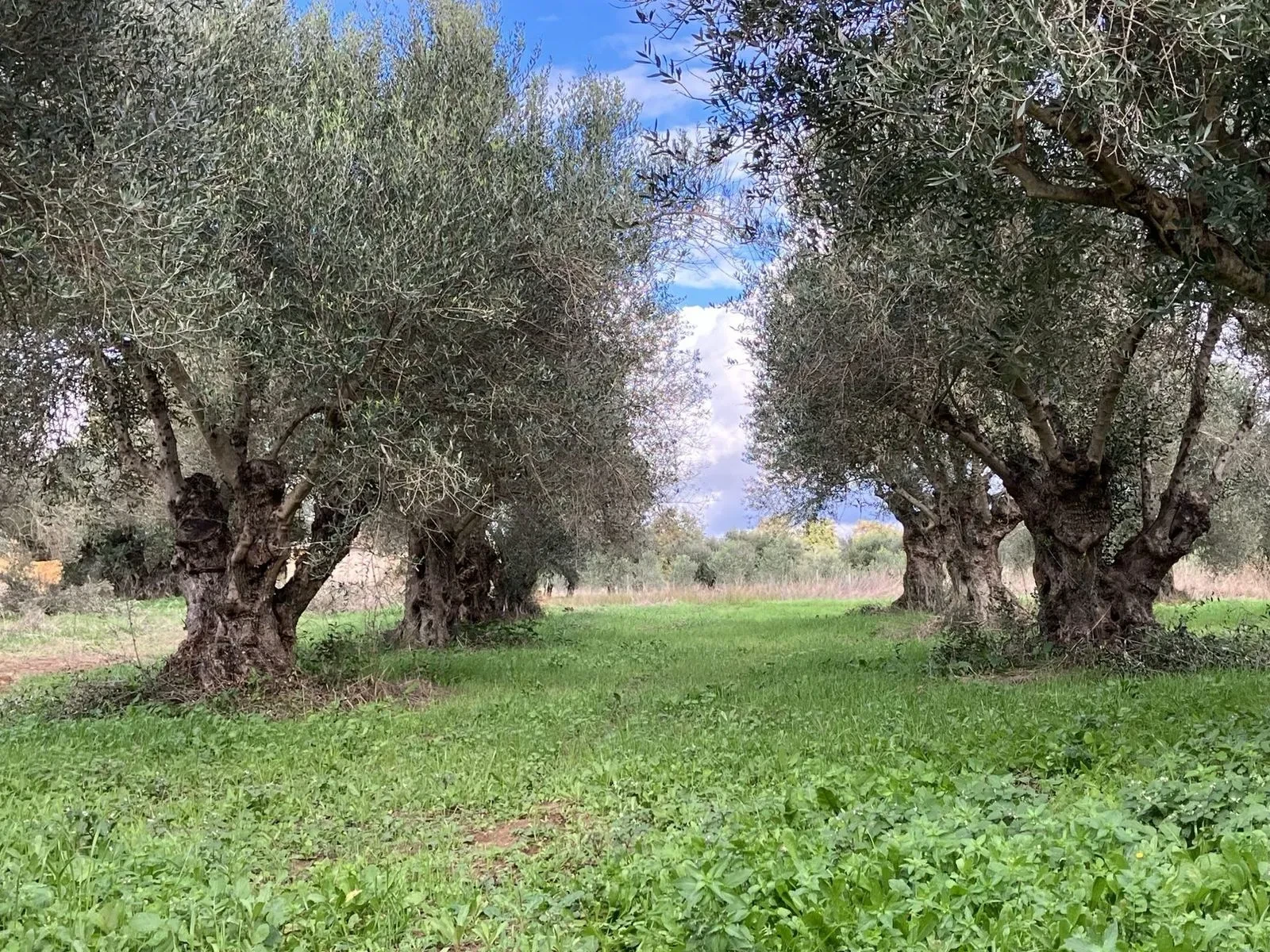
A crown of wild olive is worth nothing and everything. It cannot be bought, only won, and it ties the winner to a single sacred tree in a single place. That is a standard we recognise. Everything our family makes begins from one grove near Olympia, and we would rather it be worth crowning than merely for sale. You can explore our olive oil, and you can read the independent analysis status.
Common Questions
- What did winners of the ancient Olympics receive?
- At the Games themselves, only the kotinos — a crown of wild olive cut from a sacred tree at Olympia. Back home, cities rewarded champions with public honours: lifelong free meals, front-row seats, cash bonuses and sometimes a statue.
- What is a kotinos made of?
- Branches of the wild olive (Olea europaea var. sylvestris). At Olympia they were cut only from one sacred tree behind the temple of Zeus, the kallistephanos, using a golden sickle.
- Did ancient Olympic athletes get paid?
- Not at the Games, but yes indirectly. Victors received cash rewards, tax exemptions, pensions in the form of free public meals, and civic honours from their home cities. At the Panathenaic Games in Athens the prize was amphorae of sacred olive oil.
Havarian Gold is a single-estate extra-virgin olive oil from a family grove near Ancient Olympia.