
Quality & Craft
Choosing Olive Oil: Seven Questions to Ask
Useful questions about an olive oil’s origin and evidence, before you buy.
Havarian Gold · 9 September 2026
A label, a peppery taste or a particular bottle colour cannot establish authenticity on its own. Extra-virgin classification involves chemical and sensory criteria. Ask for clear product information and evidence that relates to the batch you are considering.
1. When was it harvested?
Look for harvest information and the best-before date. If you need more detail, ask the producer; a missing harvest date is not proof that an oil is old or mislabelled.
2. Where were the olives grown?
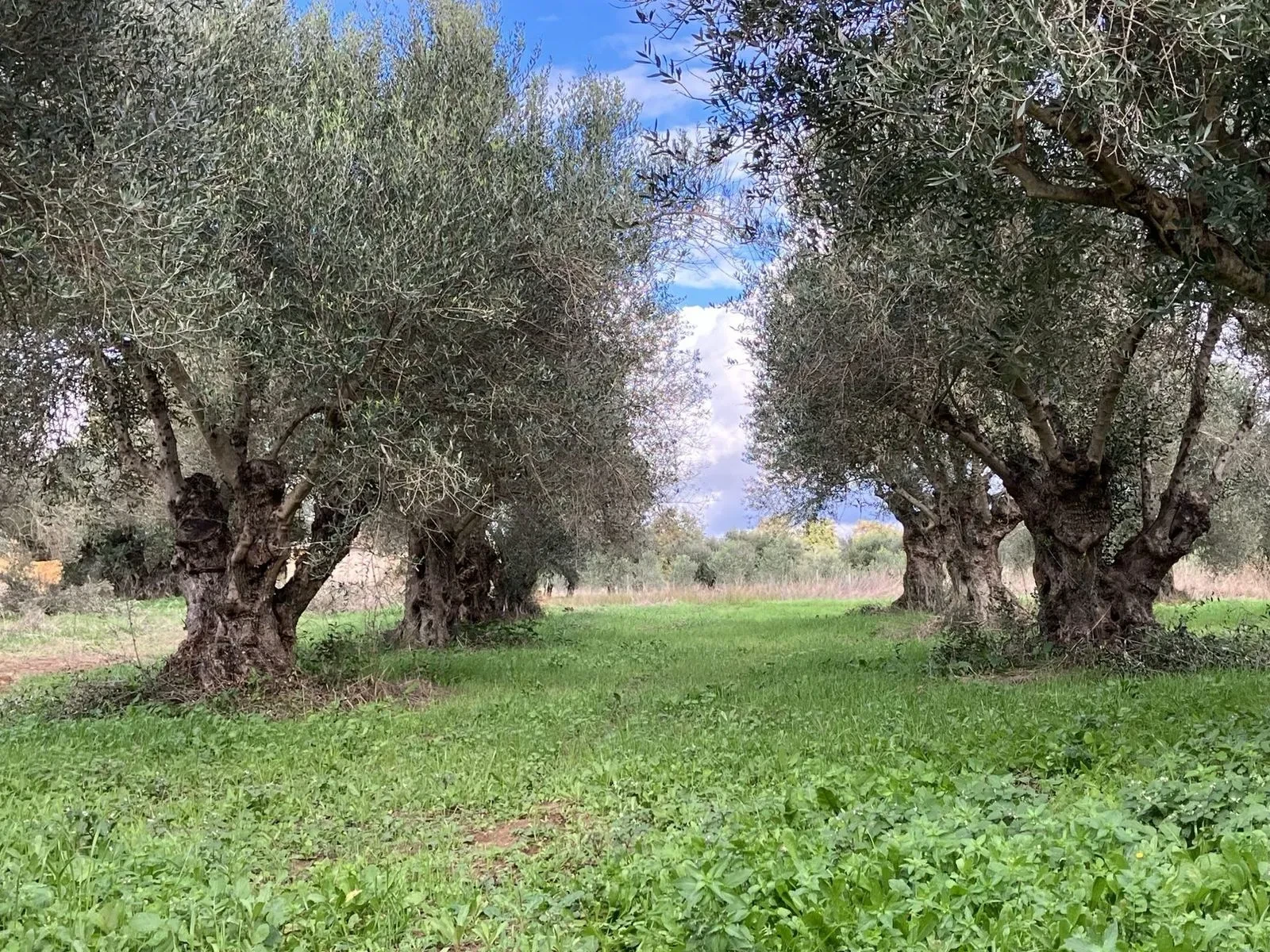
Origin and producer details help explain who is behind an oil. Single-estate describes its source; it does not establish superiority over other oils. Havarian Gold comes from our family’s grove in Chavari, Ilia, Greece.
3. What evidence supports the category?
The International Olive Council’s extra-virgin category includes a free-acidity limit of 0.8 g per 100 g and other chemical and sensory requirements. An acidity figure alone is not a complete assessment. Read the IOC category definitions.
4. What does the processing description mean?
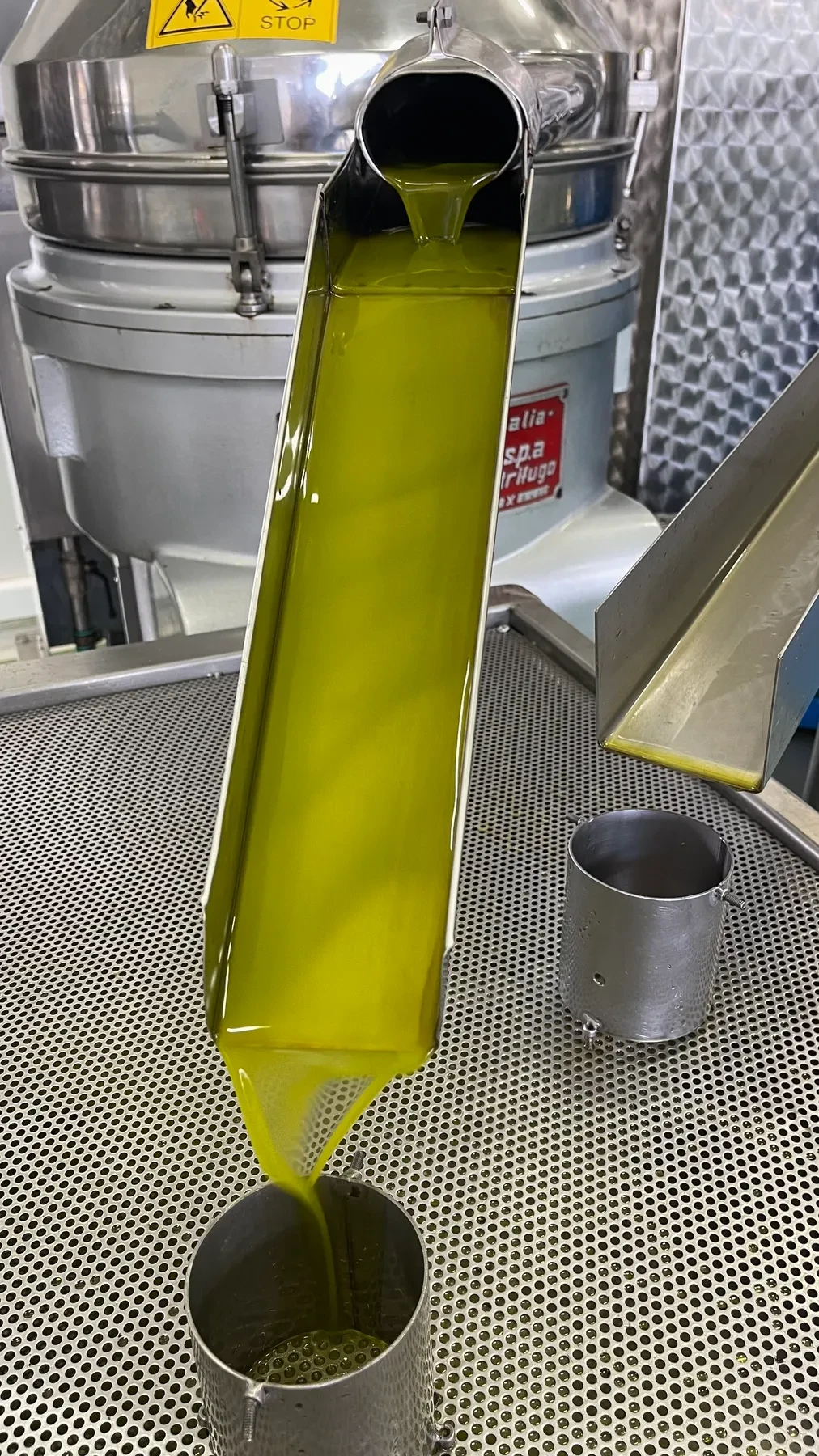
EU labelling rules distinguish first cold pressing from cold extraction. Both indications require processing below 27°C, but refer to different extraction methods. Ask for the relevant process records. Read Article 10 of the EU marketing rules. Havarian Gold’s batch-specific processing details remain to be confirmed.
5. How should it be stored?
Follow the producer’s storage instructions. Keep olive oil away from heat and direct sunlight. Packaging is one consideration; it does not prove how a bottle has been stored throughout its journey.
6. What do you enjoy about the taste?
Notice the flavour, texture and finish, and how the oil works with your food. A peppery finish is a sensory impression, not a measurement of polyphenols or proof of a health effect. Formal sensory assessment and laboratory tests answer different questions.
7. Does the report match the batch?
Check that any published report identifies the batch and the tests performed. Havarian Gold’s independent Certificate of Analysis is pending. Once received and checked against the relevant batch, we will publish the report with an explanation of its results. Read our analysis status or explore our olive oil.
Common Questions
- Can taste alone prove that olive oil is extra virgin?
- No. Extra-virgin classification involves chemical and sensory criteria. A home tasting or peppery finish cannot establish the category or measure polyphenols.
- Does a low acidity figure tell the whole story?
- No. Acidity is one of several criteria. Look at the complete assessment and whether its report matches the relevant batch.
- Are Havarian Gold’s laboratory results available?
- Our independent Certificate of Analysis is pending. We will publish it after checking it against the relevant batch.
Havarian Gold is a single-estate extra-virgin olive oil from a family grove near Ancient Olympia.