
History & Myth
Athena's Olive Tree: The Myth That Made Olive Oil Sacred
How a contest between two gods on the Acropolis gave the olive its sacred status — and the branch its meaning.
Havarian Gold · 9 September 2026
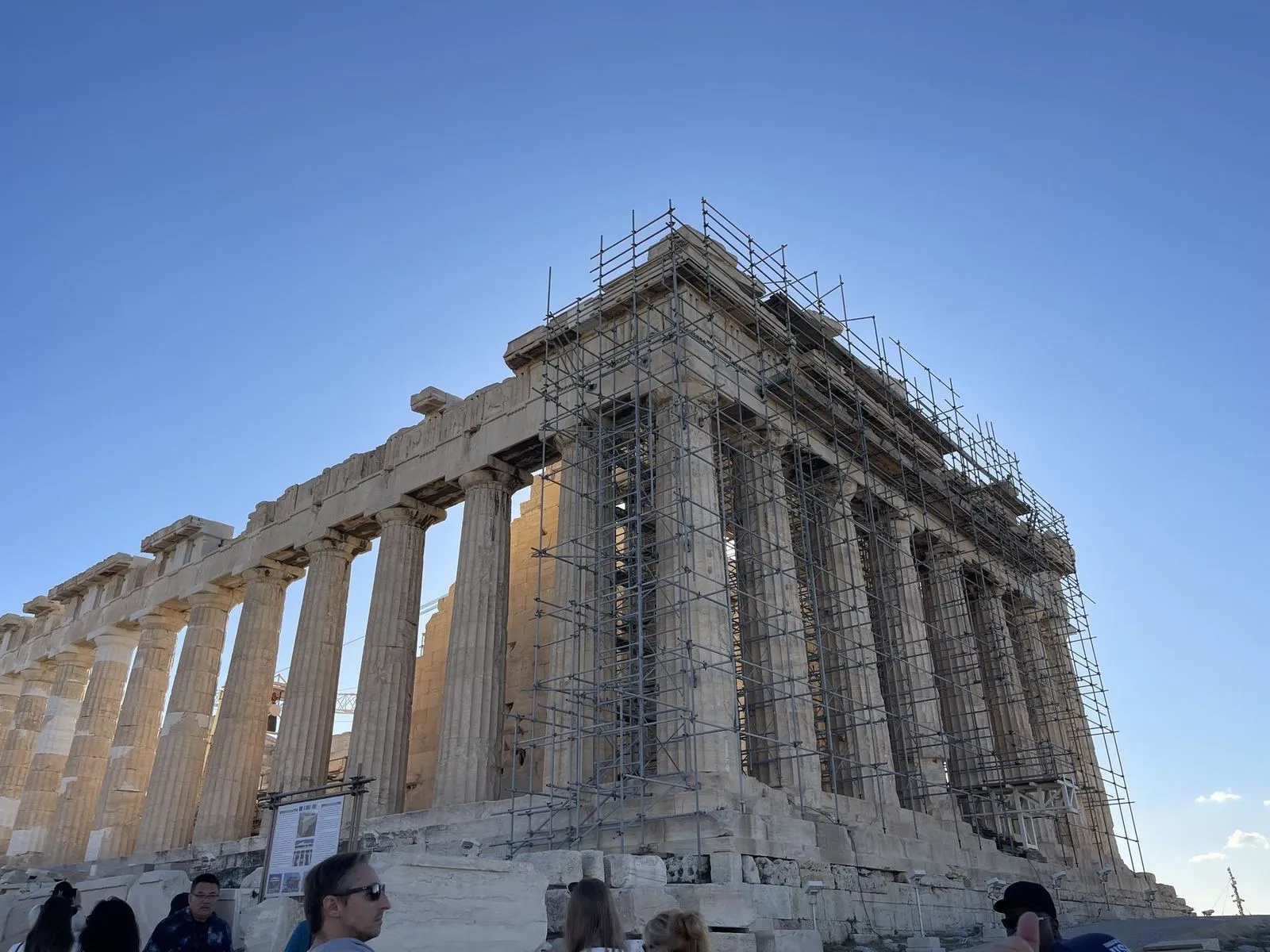
In Greek myth, Athena and Poseidon competed to become patron of a new city. Poseidon struck the rock of the Acropolis and brought forth a spring of salt water. Athena knelt and planted the first olive tree. The gods judged her gift the more valuable — it gave food, oil for light and skin, wood, and shade that lasted centuries — and the city took her name: Athens. Ever since, the olive branch has stood for peace and prosperity.
The contest on the Acropolis
The story is told most fully by the Roman writer Apollodorus and pictured on the west pediment of the Parthenon itself. Poseidon's gift was power — the sea, and the horse in some versions — but it was salt water, and it could not be drunk. Athena's gift was patient and practical. An olive tree is slow to establish and slow to die; it feeds a household for generations and asks little of the soil. The council of gods, or the first citizens depending on the telling, chose the tree.
A sacred olive was still growing beside the Erechtheion on the Acropolis in classical times, believed to be the original. Herodotus records that when the Persians burned the Acropolis in 480 BC, the tree was scorched to a stump — and put out a new shoot the next day. An olive still grows on the spot today.
What the olive actually gave
The myth is doing a real job: it explains why a whole civilisation organised itself around one tree. Olive oil lit the lamps of the ancient Mediterranean. It was rubbed into skin before sport and before battle. It carried scent as perfume, sealed wine jars, dressed wounds in the physician's kit, and preserved food through the winter. Olive wood built tools and boats. And the tree outlived the people who planted it, which made a grove a form of inheritance — wealth that renewed itself every season.
Why the branch means peace
Because the olive was Athena's gift and took years of undisturbed peace to bear fruit, a branch of it became the natural sign of goodwill. Suppliants in Greek drama carry olive boughs. The sacred truce that protected travellers to the Olympic Games was announced by heralds crowned with olive. To "extend an olive branch" is still to offer peace; the olive branches on the flag of the United Nations carry the same idea, unbroken, into the present.
The same tree, still growing
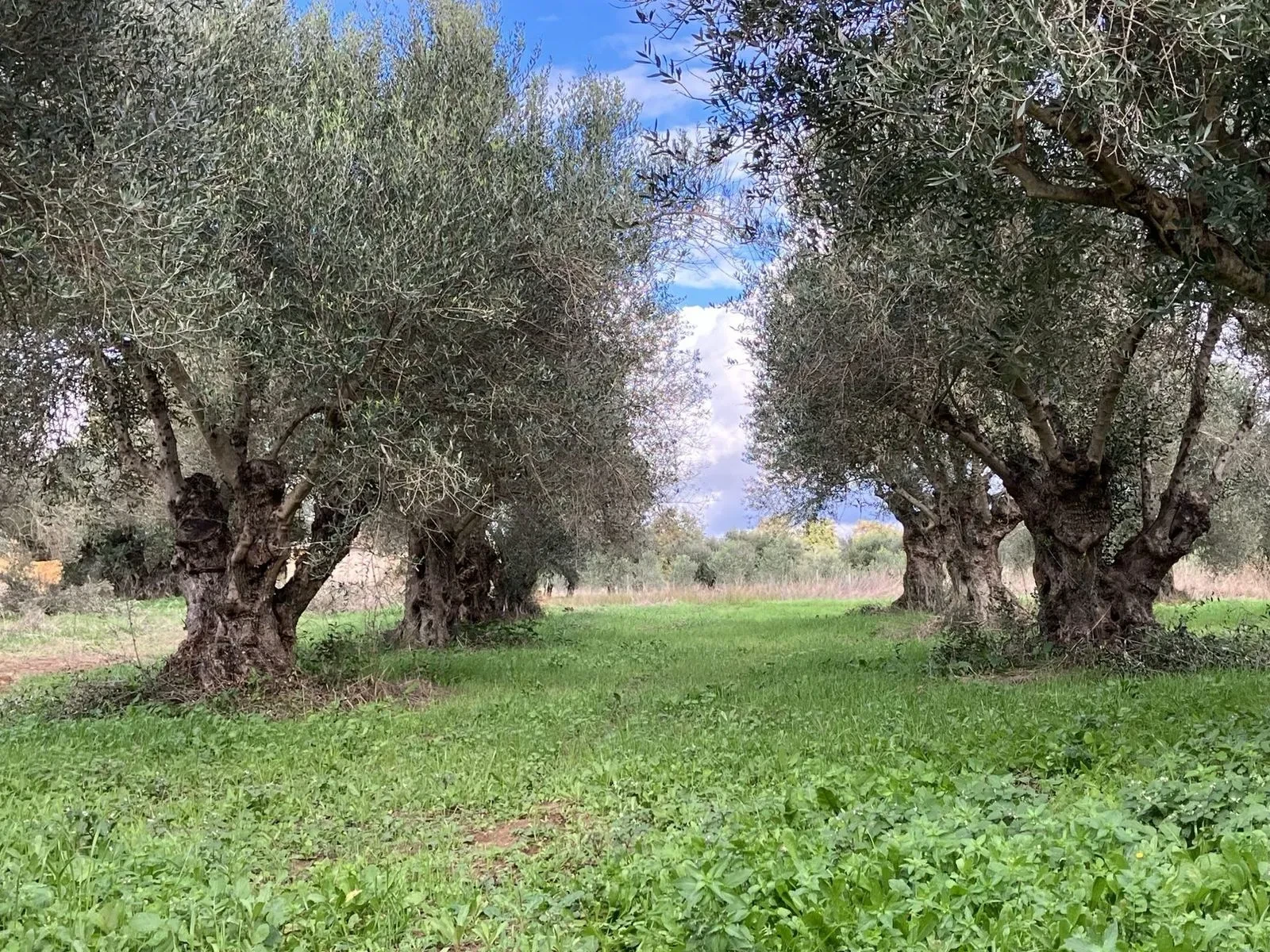
Our grove sits in the western Peloponnese, near Ancient Olympia — the same landscape and the same cultivar the myth grew out of. Some of our oldest trees are believed to be up to 500 years old. We read the Athena story not as decoration but as a job description: grow the tree, protect it, and let it outlast us. You can read how that shapes our work in our philosophy, see the grove on Our Trees, or explore our olive oil. Every bottle's batch can be checked against its lab record.
Common Questions
- Who won the contest between Athena and Poseidon?
- Athena. She planted the first olive tree on the Acropolis; Poseidon offered a spring of salt water. The gods judged the olive the more useful gift, and the city was named Athens in her honour.
- Why is the olive branch a symbol of peace?
- The olive was Athena's gift and needs years of undisturbed peace to bear fruit, so a branch of it came to signal goodwill. Greek suppliants carried olive boughs, and the Olympic truce was announced by heralds crowned with olive. The image survives in the phrase "an olive branch" and on the United Nations flag.
- Is the original olive tree of Athena still alive?
- The tree by the Erechtheion was said to be the original. Herodotus writes it was burned when the Persians sacked the Acropolis in 480 BC and sprouted again the next day. An olive tree still grows on the spot, though it is a much later planting.
Havarian Gold is a single-estate extra-virgin olive oil from a family grove near Ancient Olympia.